

Mark Schrope: Urchins, robots, and a race to save kelp forests
Oceanographic columnist Mark Schrope dives into a restored Santa Monica kelp forest and explores the innovations - from urchin-smashing robots to sea star rearing - helping scale kelp restoration efforts globally.
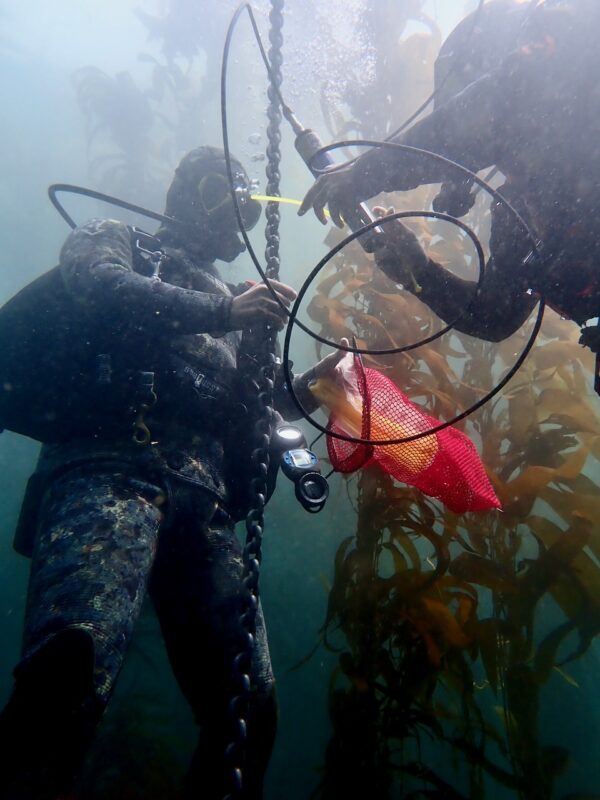
Growing up in Florida, I had regular access to coral reefs, which seemed otherworldly to many, but to me were more like exploring the backyard. Paging through issues of the now-defunct Ocean Realm magazine, there was something else that seemed enchanting to me – the kelp forests in faraway, cold waters with their acrobatic harbour seals. So, I was especially grateful to have the opportunity earlier this month to tag along with the Bay Foundation in Santa Monica, California to explore some kelp.
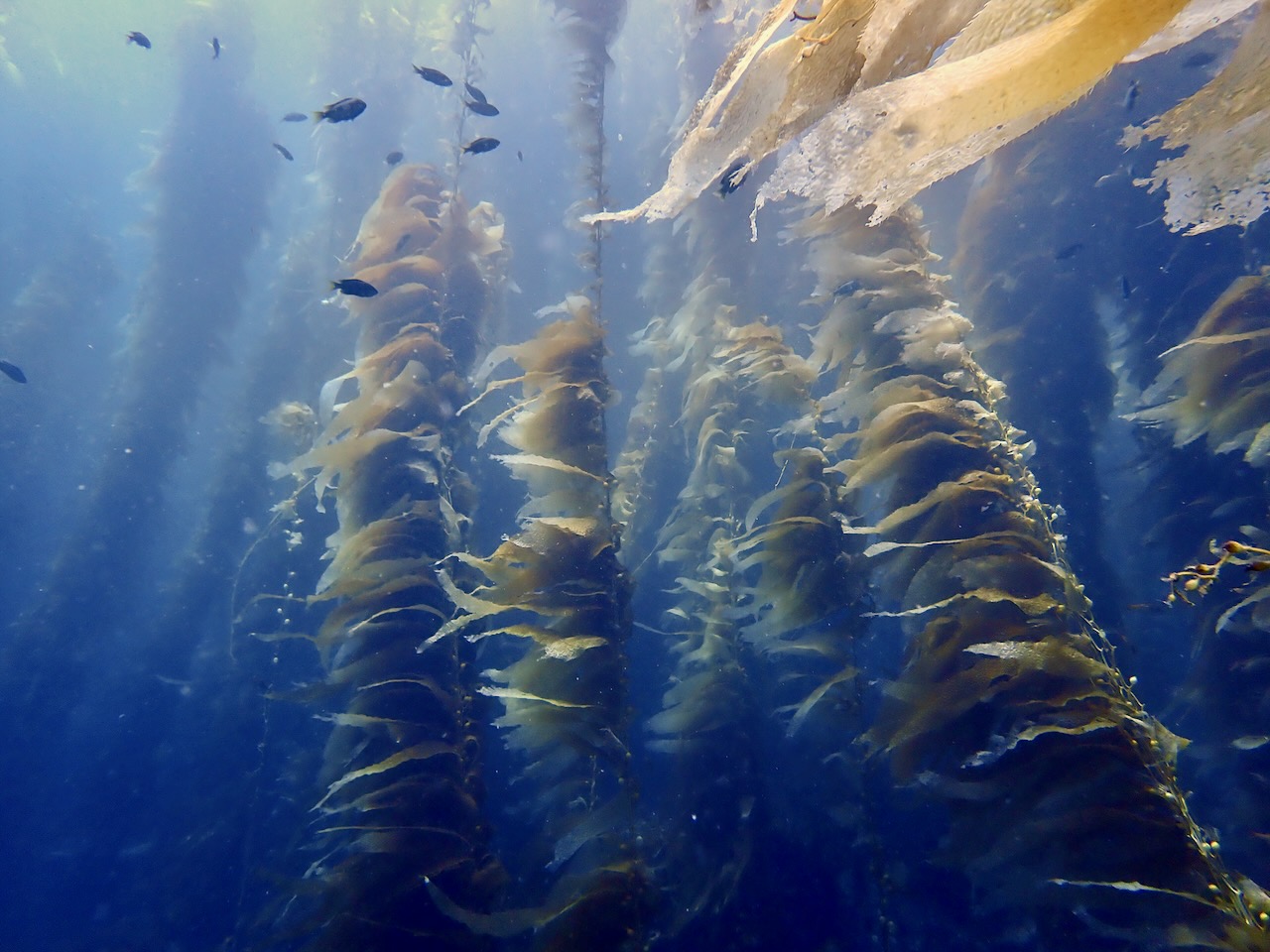
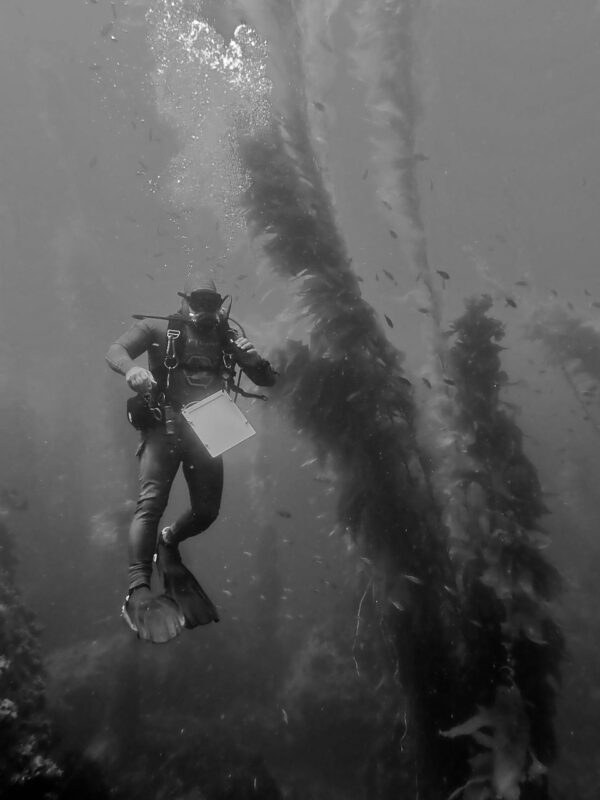
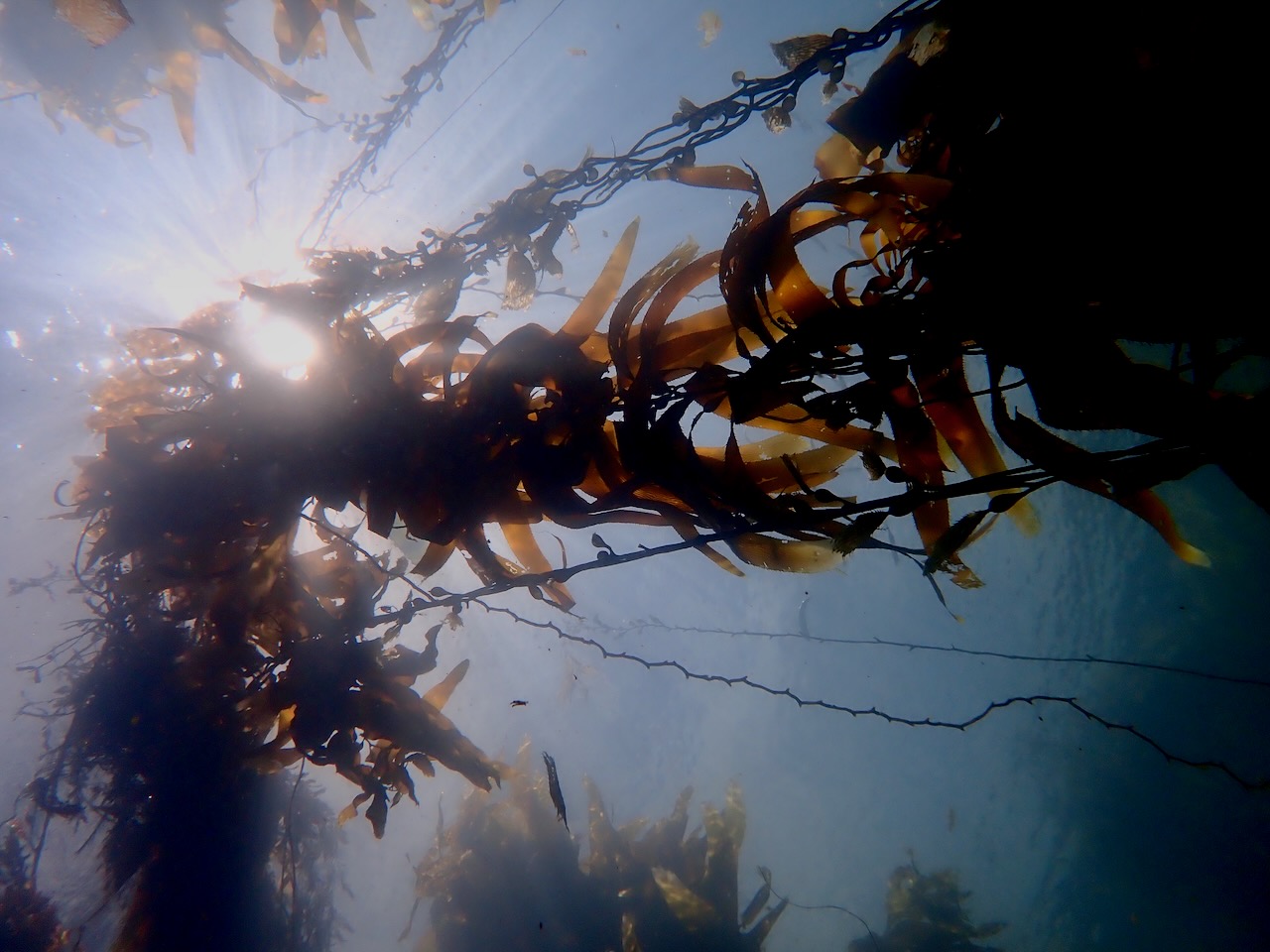
Though we saw only one harbour seal, it was one of the most beautiful dives I can remember for one reason: We’d descended into a forest that simply didn’t exist just a decade or so ago. For reasons I’ll explain, I hope the remarkable transformation at Santa Monica can help inspire greater efforts worldwide to restore decimated kelp forests.
Though receiving less attention than other declines, countless kelp forests have been disappearing in recent years. The reasons differ from region to region but follow common themes. Warming waters pose threats, but the more immediate problems stem from humans knocking ancient predator-prey relationships out of whack. Most parts of Southern California have lost over half their kelp in the last 50 years, and in Northern California, the number is over 90 per cent. And with the kelp goes the ocean’s ability to maintain healthy fish and other populations. Globally, kelp provides humans about half a trillion $US in benefits.
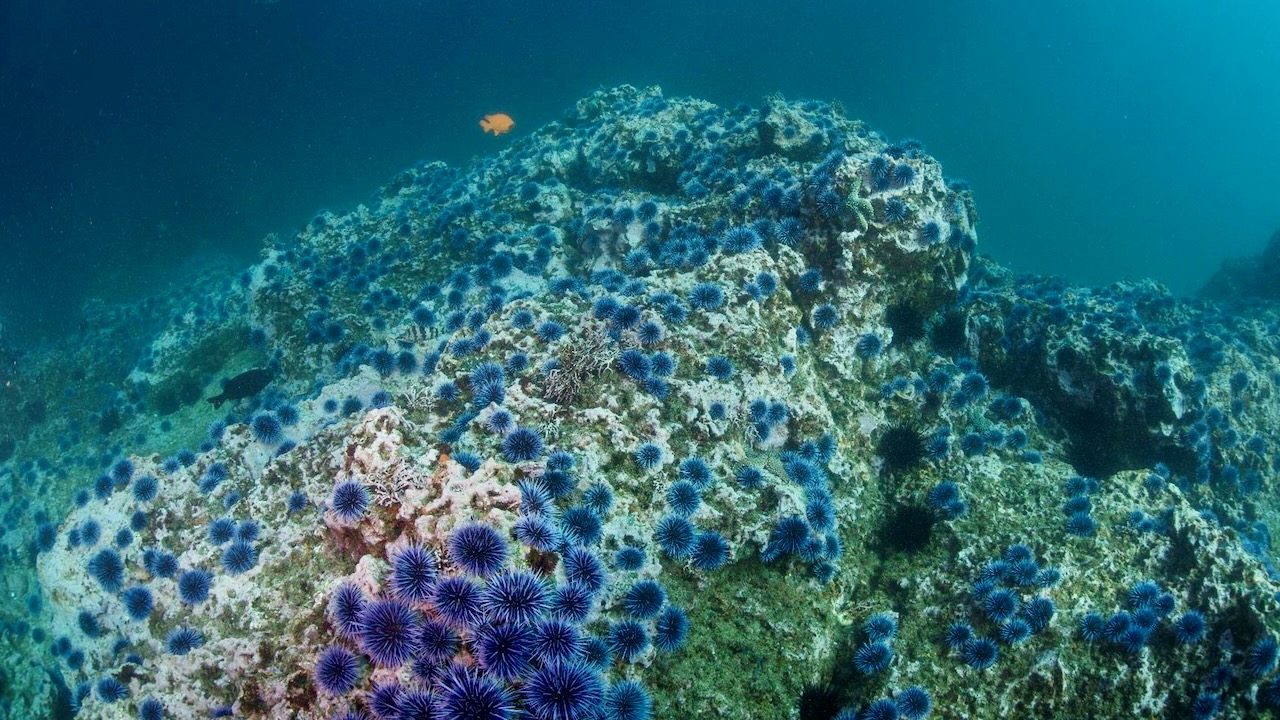
In Santa Monica and other parts of the state, the main culprit behind declining kelp is the voracious eater, the purple sea urchin. When their populations are unchecked by natural predators – among them the sunflower sea star, lobster, sheepshead, sea otters, and others – they take over, in time eating almost every scrap of kelp to create seafloor deserts called urchin barrens. In these death zones, you might find 100 urchins in a square metre, while the appropriate natural level is more like two. Similar downward spirals play out all over the world with varying species.
Bay Foundation CEO Tom Ford set out in 2013 with an army of staff, paid divers, and volunteers to right their local systems, which he deemed “gonzo out of whack,” by eliminating excess purple urchins. Over time, as the population size approached a more ecologically sustainable level, the kelp came back, and in short order, so did the fish. To date, the effort has converted some 80 acres of barrens into lush forest, and it was a section of that forest that I got to visit alongside Tom.
Their restoration effort is a truly remarkable achievement and durable for now. Over the years, they have found that once they force things back into whack, a relatively modest level of monitoring and urchin removal can keep the forests thriving. And what they’ve done is completely replicable. But it is not easy. Divers had to neutralize about 6 million urchins, a feat that required some 15,000 hours of work on the seafloor.
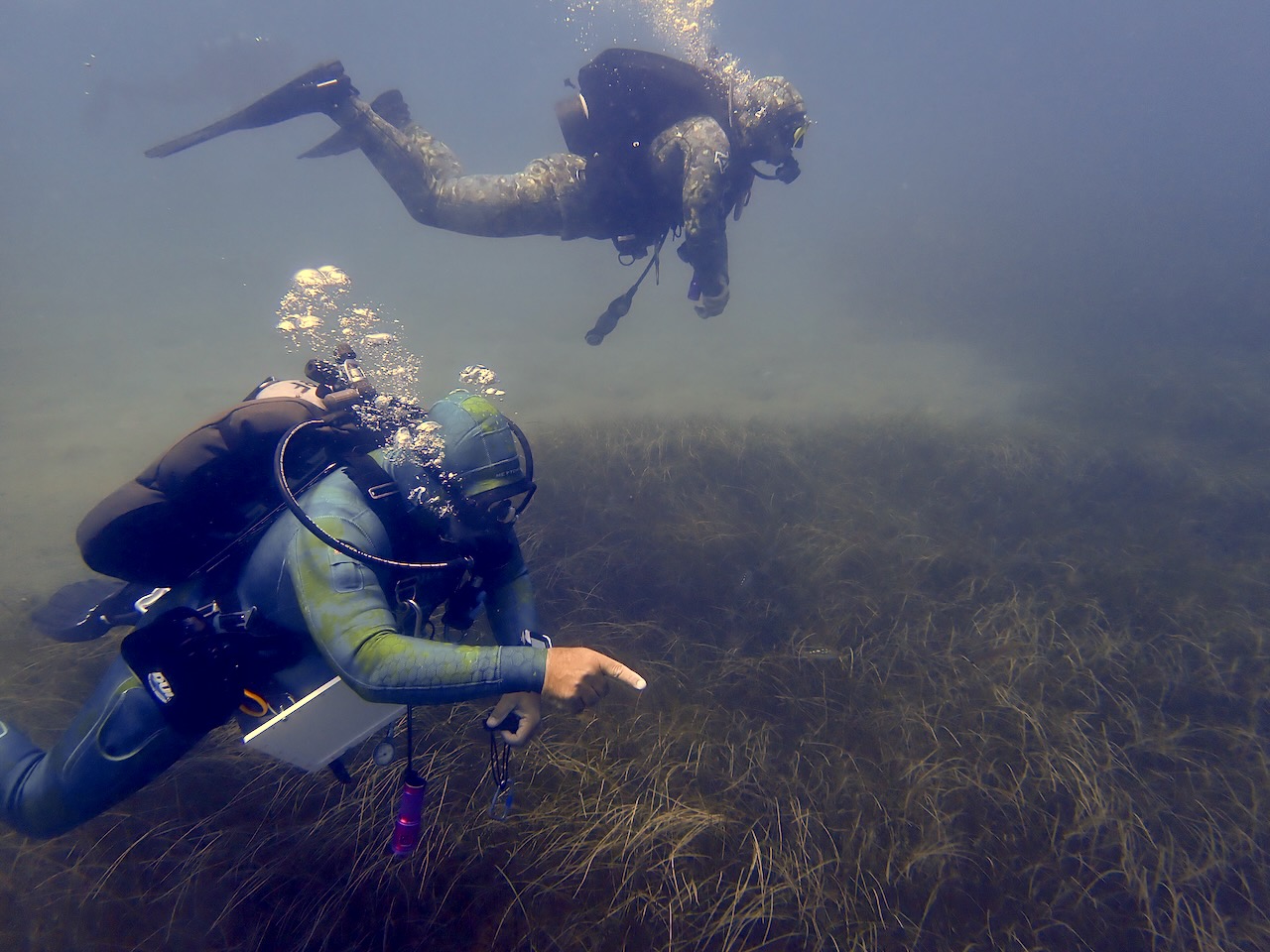 Divers from Bay Foundation survey a seagrass meadow planted in the waters of Catalina Island
“THOUGH RECEIVING LESS ATTENTION THAN OTHER DECLINES, COUNTLESS KELP FORESTS HAVE BEEN DISAPPEARING IN RECENT YEARS. THE REASONS DIFFER FROM REGION TO REGION BUT FOLLOW COMMON THEMES.”
Of course, numerous other groups are also chipping away at the urchin problem. A plausible alternative to the Bay Foundation’s brute-force method is to see this success as a precursor and inspiration for what can emerge from what’s now called the Blue Economy. What if we could find ways to speed the process, make it cheaper, and possibly even set up portions of the effort to pay for themselves?
Also on the water with us that day in Santa Monica was a team from Atlanta, Georgia called Marauder Robotics. They’re working on an innovative system that will attract purple urchins to a large, round structure about a metre across that can press down to smash them, allowing humans on land to remove large groups at any time, from anywhere, without having to put divers in the water.
If it all seems a little rough, keep in mind not only the damage done by the urchins, but the reality that they definitely are not supposed to be so abundant and that in barrens they exist in an emaciated state. Marauder is working to prove the system can operate safely without harming other animals, so they can obtain permits to deploy a prototype.
There are markets for the uni inside urchins, but in barrens, the urchins are too starved to be human food. One possibility is collecting the urchins and then fattening them at onshore facilities. But a company called Primitives has a faster method. They’re working with the Nature Conservancy in Fort Bragg, California, to collect and process urchin remains, which the company then converts into highly valuable, attractive kitchen countertops and other hard-surface materials. By turning the urchins into a desirable commodity, they can finance kelp restoration while creating jobs for out-of-work uni urchin divers, fishers, and others.
Thanks to groups working all around the world, other innovations are coming that could greatly expand restoration efforts. In California, one of the key predators that once kept urchins in check was the sunflower sea star. Sadly, almost all of these remarkable urchin eaters were lost around 2014 due to what was later identified as sea star wasting disease. In response, Northern California’s purple urchin population exploded in nuclear fashion with a 10,000-fold increase in some areas. Sunflower Star Laboratory on Monterey Bay is rearing stars and leading outplanting research – as they work through the permitting process for permanent releases – in hopes that the animals can one day resume their vital urchin predation.
“BY TURNING THE URCHINS INTO A DESIRABLE COMMODITY, THEY CAN FINANCE KELP RESTORATION WHILE CREATING JOBS FOR OUT-OF-WORK UNI URCHIN DIVERS, FISHERS, AND OTHERS.”
In many cases, even in barrens, there is still enough remnant kelp to recolonise the rocky bottom if given a chance. But not always. In some areas, kelp seed has to be planted, but various academic and commercial groups are working on this problem around the world with good results. Even if predator issues are solved, other problems will, of course, come.
Warming waters weaken and eventually kill kelp. So teams will have to look at ways to increase heat tolerance in their farming efforts to stave off further declines while we (hopefully) get the planet in better order.
Kelp restoration isn’t easy, but it can be relatively quick when underway. The giant kelp in Santa Monica can grow 30 metres in a year, and fish populations begin to rebound on about the same timeframe. In contrast, other forms of restoration proceed more slowly. The corals that build reefs grow painfully slowly, for instance, and restoration involves many more species, among a host of other challenges. Hopefully, those faster-growing kelp can remind us that restoration efforts at ecologically significant scales take a lot of work, but it is indeed possible. And each time a group succeeds at one level, it makes the next level seem more attainable.
To me, the message of all this kelp work is clear: we can do this. Humans can make some colossally big messes, but we can fix some messes, too.
Oh, and just one note: The groups I’ve mentioned here are just the smallest sliver of the efforts underway around the globe to restore kelp. For a much deeper dive into the wondrous world of macroalgae, including the history of kelp decline and more hopeful stories, get a copy of my friend David Helvarg’s exceptional new book Forest of the Sea.